by Magloire Djomolite-Bolendea | Apr 18, 2025 | Uncategorised
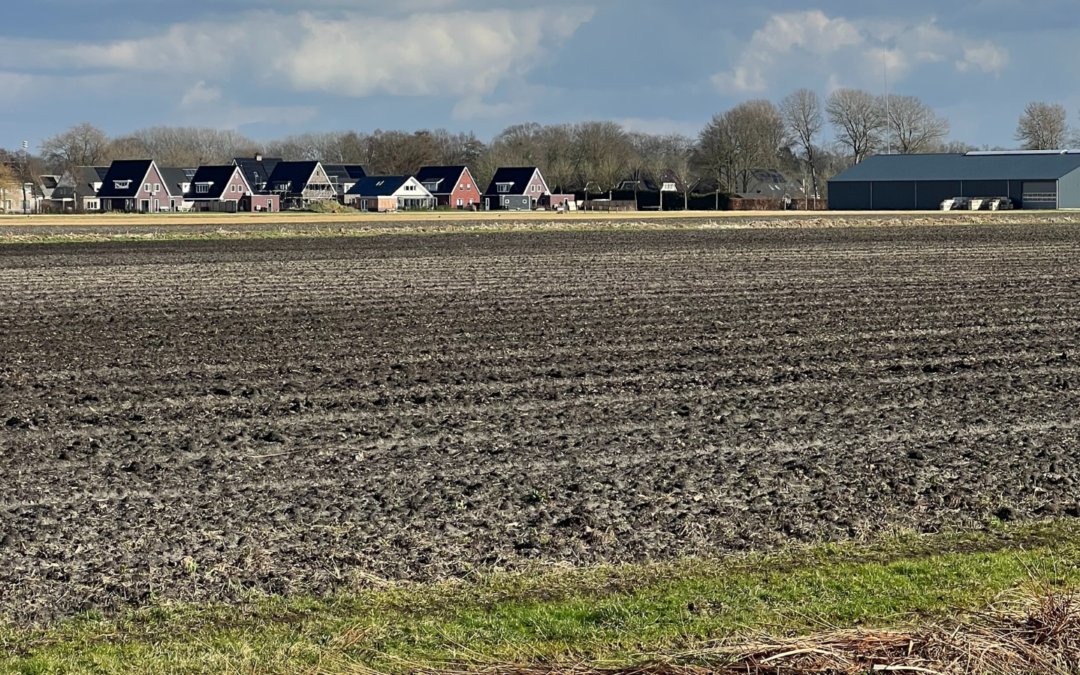
Key Facts In the 17th century the Peat Reclamation District (Veenkolonieën) canals were dug to transport the peat and to drain excess water. The remaining peat was covered with the sand from the canals to make the soil suitable for agriculture. Every year small...

by Magloire Djomolite-Bolendea | Mar 24, 2025 | Uncategorised
Key Facts The Puck Bay area, located in northern Poland along the southern Baltic Sea coast, is used mostly for agriculture (51%), with forests covering 28%, permanent meadows and grasslands 12%, and low-density urban areas 9%. A complex groundwater system consists of...

by Magloire Djomolite-Bolendea | Mar 24, 2025 | Uncategorised
Key Facts Phosphorus is a limiting nutrient for freshwater ecosystems. Loss of phosphorus from agricultural land contributes to downstream eutrophication and degradation of water quality. There is a need to increase the knowledge for soil phosphorus processes, the...
by Magloire Djomolite-Bolendea | Mar 24, 2025 | Uncategorised
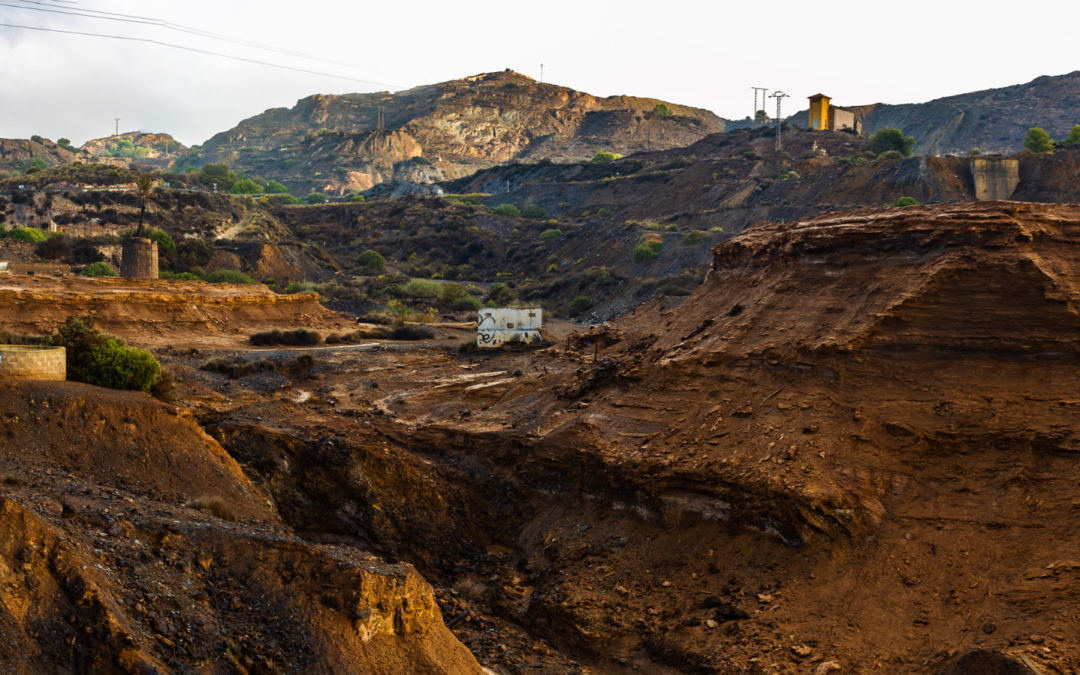
Key Facts The former metal mining district of La Unión-Sierra de Cartagena is located in SE Spain (Cartagena, Murcia Region) and is characterized by a Mediterranean semiarid climate (mean annual temperature ≈17 °C, mean annual precipitation ≈200-300 mm and mean annual...
by Magloire Djomolite-Bolendea | Mar 24, 2025 | Uncategorised
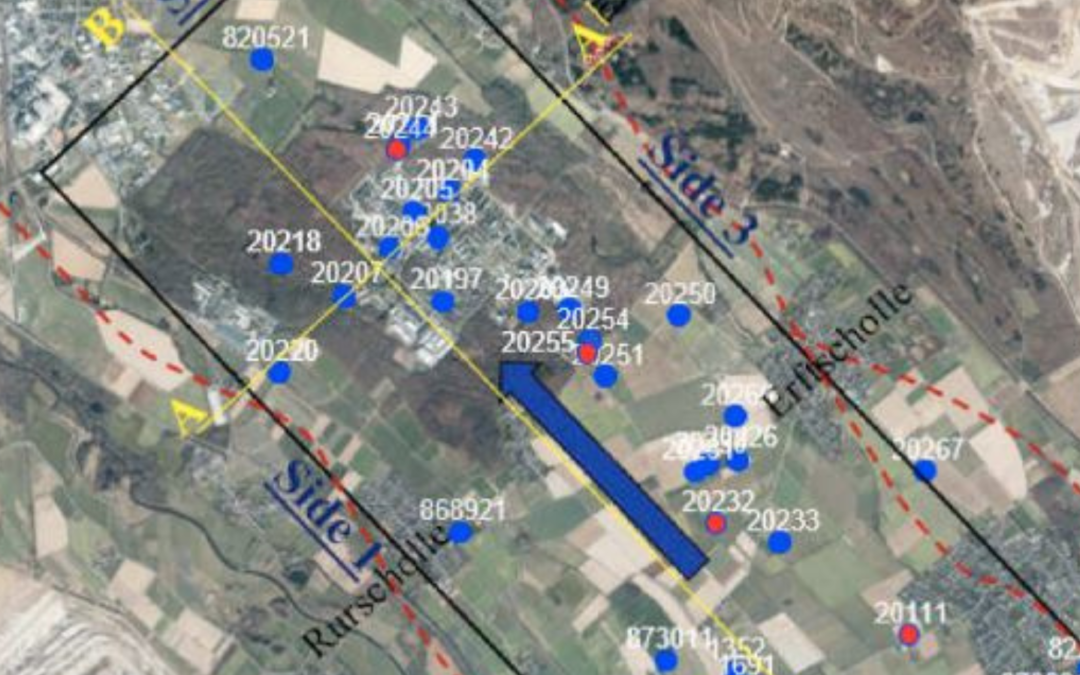
Key Facts The Zwischenscholle aquifer is located in the Lower Rhine Embayment, Germany. The underground is made up of unconfined and semi-confined quaternary Rhine and Meuse sediments, mainly sandy and gravely. The aquifer base is the water impermeable Reuver clay....

 English
  Spanish
  Dutch
Dutch  Polish
  German