
Hoe wetenschappers in Vlaanderen de reis van persistente verontreinigende stoffen ontrafelen met innovatieve tools
Per- en polyfluoralkylstoffen (PFAS) - soms ook wel “voor altijd chemische stoffen” genoemd - hebben de krantenkoppen gehaald vanwege hun hardnekkige aanwezigheid en schadelijke effecten op zowel de natuur als de mens. Deze PFAS-familie telt veel leden (meer dan 10.000) en elk lid gedraagt zich op zijn eigen manier, waardoor het een bijzonder uitdagende groep chemische moleculen is om mee om te gaan. In Vlaanderen, een regio met een geschiedenis van actieve industrie, PFAS-emissies zijn in het milieu gesijpeld, die van fabrieksschoorstenen in de lucht terechtkomen en uiteindelijk in onze bodem en ons water terechtkomen. Maar precies hoe PFAS zich door het milieu verplaatsen - van lucht, naar aarde, naar planten en zelfs naar het grondwater - is al lang een raadsel dat wetenschappers graag willen oplossen.
Een gezamenlijke oplossing: de Vlaamse use-sase
Betreed het PFAS-gebruik in SOILPROM, een baanbrekende omgeving waar deskundigen van VITO en Wageningen Onderzoek (WR) hebben samengewerkt om een geïntegreerd modelleerraamwerk. Hun missie: het volgen van PFAS in elke fase van het milieutraject en een duidelijker, completer beeld geven van hoe deze verontreinigende stoffen zich in de echte wereld gedragen.
Wat is er zo speciaal aan hun aanpak? In plaats van naar slechts één stukje van de PFAS-puzzel te kijken, heeft het team verbindt emissie- en depositiemodellen met simulaties van uitspoeling uit de bodem en opname door planten, waarbij rekening wordt gehouden met de unieke chemische eigenschappen van elke verbinding en de lokale milieuomstandigheden. Dit betekent betrouwbaardere voorspellingen en een beter begrip van PFAS-verontreiniging over het hele atmosfeer-grond-plant-grondwaterspectrum.
Innovatieve vooruitgang: depositie op de juiste manier aanpakken
Een grote stap voorwaarts is de manier waarop het project de atmosferische depositie van PFAS aanpakt. Om beter in te schatten hoeveel PFAS er op de bodem neerslaat, hebben wetenschappers zowel droge als natte depositieprocessen herwerkt met behulp van het nieuwste onderzoek en nieuw verzamelde gegevens uit Vlaanderen. Op geavanceerde meetlocaties in de buurt van Antwerpen maten ze tegelijkertijd PFAS in de lucht en de hoeveelheid die op de grond terechtkomt, waardoor ze realistische depositiesnelheden konden berekenen voor verschillende PFAS-verbindingen.
Deze praktijkgegevens verminderen de onzekerheid en zorgen ervoor dat modellen voor bodemverontreiniging beginnen met realistische “bovengrens”-omstandigheden. Uiteindelijk betekenen deze verbeteringen dat wetenschappers beter kunnen voorspellen hoe PFAS zich verplaatsen van de lucht naar de bodem eronder.
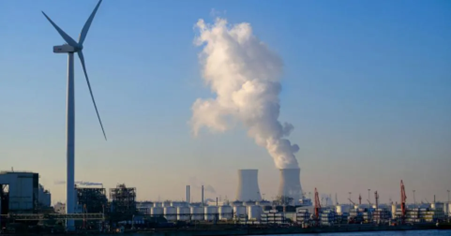
Afbeelding 1: Het interessegebied voor de use-case is een industrieterrein in Vlaanderen (Foto door Thierry Monasse/Getty Images)
De reis modelleren: van lucht naar bodem naar water
Met behulp van deze verbeterde depositiewaarden gebruikte het team vervolgens een atmosferisch verspreidingsmodel (IFDM) om precies te voorspellen waar verschillende PFAS terecht zouden komen rond bronnen zoals fabrieken.
De volgende stap: de resultaten van IFDM koppelen aan de GeoPEARL bodemuitspoelingsmodel. Door een tweedimensionaal simulatieraster boven onze onderzoekslocatie te maken, kunnen wetenschappers de migratie van PFAS vanaf het oppervlak door de bodem en uiteindelijk naar het grondwater volgen. Deze gedetailleerde, locatiespecifieke simulaties staan ver af van oudere methodes die uitgingen van een uniforme depositie overal. Ondertussen is WR druk bezig geweest met het verfijnen van de manier waarop de modellen de verschillende leden van de PFAS-familie weergeven die door de bodem worden geabsorbeerd en door planten worden opgenomen, waardoor het algehele systeem nog sterker wordt.
Impactvolle inzichten voor beleid en milieu
Deze gecombineerde modellering traceert niet alleen de verplaatsing van PFAS, maar laat ook beleidsmakers testen interventie- en saneringsstrategieën en zien hoe ze ecosysteemdiensten beïnvloeden. Door vervuilingstrends te koppelen aan de voordelen van gezonde ecosystemen, geeft de Vlaamse use-case besluitvormers wetenschappelijk onderbouwde richtlijnen om prioriteiten te stellen voor effectieve mitigatie en sanering in regio's die getroffen zijn door PFAS.
Samengevat stelt het werk in Vlaanderen een nieuwe norm voor het begrijpen en beheren van het complexe probleem van PFAS-vervuiling. Het is een hoopvolle stap in de richting van een schoner milieu en slimmer beleid, die laat zien hoe wetenschap in samenwerkingsverband een verschil kan maken in de echte wereld.
Auteurs

Michiel Maertens is hydroloog in het Digital Water-team van VITO. Zijn expertise ligt in het in kaart brengen van grondwaterstroming, bodemvocht en transport van vervuilende stoffen met numerieke modellen en data uit sensornetwerken. Michiel promoveerde in 2021 waar hij werkte aan satellietwaarnemingen (van bodemvocht) en hydrologische modellen.
 Dutch
Dutch  English
  Spanish
  Polish
  German