
Onderzoek wordt niet gedaan omwille van zichzelf, maar om te veranderen hoe we leven, produceren, consumeren en ons gedragen. Dit geldt ook voor het onderzoek dat in SOILPROM wordt gedaan. SOILPROM heeft als doel betere modellen op te stellen die de bewegingen en effecten van verontreinigende stoffen in de bodem voorspellen. SOILPROM heeft ook tot doel belanghebbenden te ondersteunen bij het aannemen van duurzame strategieën voor landgebruik en streeft ernaar om ontwikkelen beleid voor gezonde bodems. Op die manier draagt SOILPROM bij aan de vermindering van bodemverontreiniging in de hele EU.
Eén mogelijkheid om te veranderen hoe we leven, produceren, consumeren en ons gedragen is beleid. Beleid schrijft bepaalde activiteiten voor, verbiedt ze of stimuleert ze. De EU beperkt bijvoorbeeld het gebruik van bepaalde plastic deeltjes in schoonmaakproducten en schrijft voor hoe de bodem moet worden beheerd als boeren de subsidies van het gemeenschappelijk landbouwbeleid willen ontvangen.
Beleidsonderzoek in SOILPROM
UFZ is verantwoordelijk voor het beleidsonderzoek in SOILPROM. Onze aanpak bestaat uit vier stappen:
- het milieuprobleem begrijpen, zoals PFAS of metaalverontreiniging in de bodem,
- verzamel en analyseer het centrale beleid dat het milieuprobleem aanpakt,
- bestuurlijke problemen in dit beleid identificeren, zoals problemen met handhaving en controle, en
- alternatieve en verbeterde beleidsmaatregelen voorstellen.
Uiteindelijk zal UFZ concrete beleidsaanbevelingen en coördineren aanbevelingen voor landgebruik voor de SOILPROM-gebruiksgevallen.
Resultaten van twee beleidsanalyses
In dit stadium hebben we twee beleidsanalyses gepubliceerd - één over beleid inzake bodemverontreiniging door plastic en een andere op de Gemeenschappelijk Landbouwbeleid. Hier kijken we kort naar enkele van onze bevindingen:
Voorbeeld I: Beleid inzake bodemplasticverontreiniging
Omdat verschillende SOILPROM use-cases onderzoeken hoe plastic deeltjes zich verplaatsen in het milieu en in de bodem, besloten we om beter te kijken naar hoe de EU plastic in de bodem reguleert.
Het verzamelen van de relevante beleidslijnen was geen gemakkelijke taak omdat veel verschillende beleidslijnen direct of indirect te maken hebben met bodemverontreiniging door plastic. Het was vrij eenvoudig om de beleidsmaatregelen te vinden die rechtstreeks betrekking hebben op (bodem)plasticverontreiniging omdat ze meestal “plastic” in hun titel hebben, maar het was niet zo eenvoudig om de “indirecte beleidsmaatregelen” te vinden. Toch vonden we dat bodemplasticverontreiniging aan bod komt in productbeleid voor bijvoorbeeld meststoffen en chemicaliën en ook in milieubeschermingsbeleid, zoals bodembescherming en afvalwaterwetgeving. Hier werpen we een licht op twee beleidslijnen die we hebben geanalyseerd.
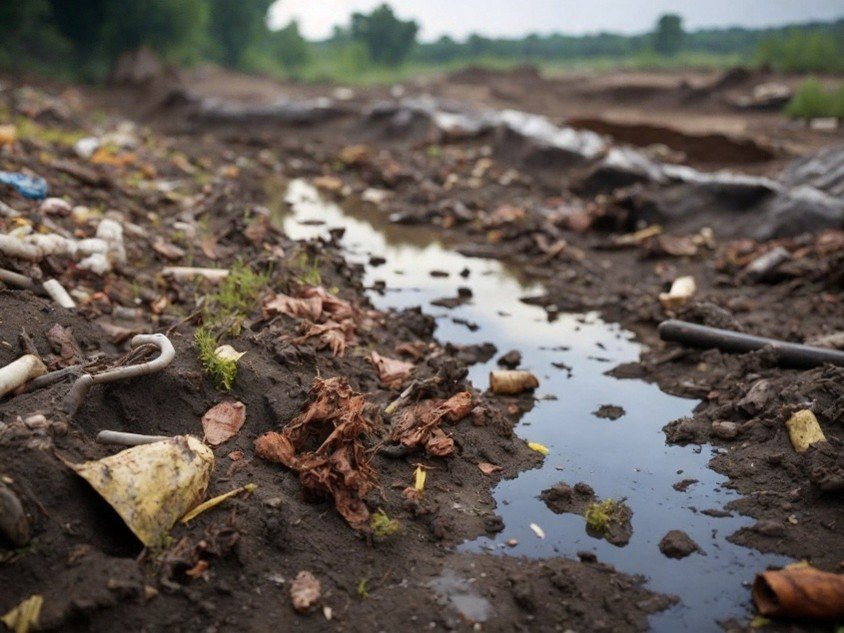
Bron: https://pixabay.com/illustrations/ai-generated-pollution-garbage-8282135/
De onlangs aangenomen Wet Bodemmonitoring vereist bijvoorbeeld dat de lidstaten een monitoringsysteem opzetten om de gezondheid van de bodem in hun land te beoordelen. Als lidstaten besluiten om bodemverontreiniging door plastic monitoren Binnen dit kader zouden uitgebreide gegevens over dit onderwerp worden gegenereerd. Deze gegevens zijn hard nodig om bodems beter te beschermen. Maar omdat het monitoren van plastic in bodems geen verplichte verplichting (in tegenstelling tot sommige andere bodemparameters), blijft het onduidelijk of er uitgebreide gegevens zullen worden verzameld en of er een effect op de plasticvervuiling van de bodem zal worden bereikt. De Wet Bodemmonitoring is ontbrekende doelgerichtheid.
In tegenstelling tot deze niet-verplichte verplichting, Meststoffenwet eist dat als er plastic deeltjes worden toegevoegd aan bepaalde meststoffen om bijvoorbeeld voedingsstoffen beter af te geven, deze voldoen aan criteria voor biologische afbreekbaarheid. Daarnaast schrijft de wet voor dat compost en sommige gerecyclede meststoffen niet verkocht mogen worden als ze (plastic) onzuiverheden boven een bepaalde drempel. Op die manier draagt de Meststoffenwet ertoe bij dat er minder plastic in de bodem terechtkomt.
Over het algemeen vinden we dat deze stuksgewijze wijzigingen belangrijk zijn, zullen ze niet krachtig genoeg zijn om (bodem)plasticvervuiling echt aan te pakken. Wat in plaats daarvan nodig is, is een effectief klimaatbeleid dat fossiele brandstoffen en daarmee bijna al het plastic uitfaseert (het meeste plastic is gebaseerd op ruwe olie) of een beleid dat reguleert de totale hoeveelheid plastic op markten.
Hier kun je al onze resultaten vinden.
Voorbeeld II: Gemeenschappelijk landbouwbeleid
Voor onze tweede analyse werkten we samen met collega's van het Duitse milieuagentschap aan de ontwikkeling van beleidsaanbevelingen voor de toekomst Gemeenschappelijk Landbouwbeleid (CAP). We besloten het GLB te analyseren omdat enkele SOILPROM-gebruikscases zich in agrarische landschappen bevinden en “landbouwspecifieke” verontreinigende stoffen zoals pesticiden en nutriënten onderzoeken. We hebben onze onderzoeksaanpak dus enigszins aangepast door expliciet naar slechts één beleidsterrein te kijken en ons te richten op het ontwikkelen van alternatieve en verbeterde beleidsaanbevelingen. Dit komt doordat we de bestuursproblemen van het GLB hebben besproken in een eerder artikel.

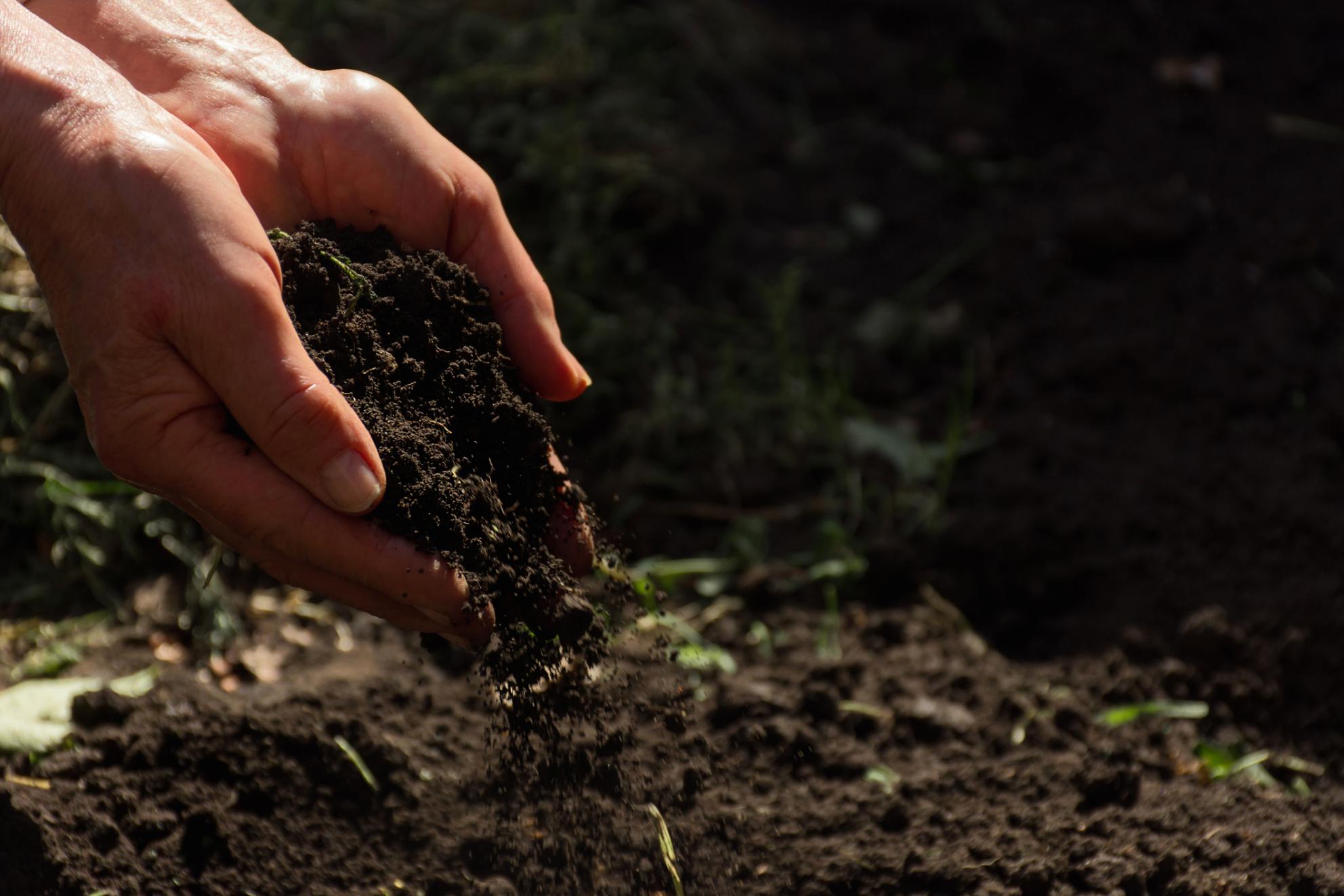
Bron: https://pixabay.com/illustrations/ai-generated-plant-growth-sprouting-9073529/
Het GLB is het centrale beleid voor de landbouwsector. Het is in wezen een zeer groot subsidiebeleid waarbij boeren geld krijgen voor hun landbouwactiviteiten. Het GLB wordt elke zeven jaar hervormd en het meest recente hervormingsproces is gestart in 2025, dus we hopen dat onze beleidsaanbevelingen het hervormingsproces informeren om ervoor te zorgen dat het GLB de bodem beter beschermt en bodemverontreiniging effectief aanpakt. Wij bevelen aan dat:
- (voedsel)zekerheid, concurrentievermogen en vereenvoudiging niet worden nagestreefd ten koste van milieu- en klimaatbescherming,
- GLB-middelen zijn sterker gekoppeld aan milieueffecten (‘pay for performance’-aanpak),
- het concurrentievermogen voor duurzame landbouw wordt verbeterd,
- GLB-subsidies richten zich op milieuprestaties in plaats van op bepaalde categorieën zoals kleine bedrijven of jonge boeren,
- de vrijheid van ondernemerschap zoveel mogelijk wordt gestimuleerd en
- veerkracht versterkt door de principes van de circulaire economie te ondersteunen.
Maar of het nieuwe GLB uiteindelijk duurzame landbouwactiviteiten beter zal ondersteunen en boeren bijvoorbeeld zal motiveren om minder bestrijdingsmiddelen en voedingsstoffen in de bodem te brengen, staat op een ander papier. De huidige beleidsontwikkelingen in de Commissie en de Raad wijzen in een andere richting.
Nog steeds, hier kun je het gepubliceerde CAP-artikel vinden.
Van hieruit zullen onze volgende beleidsanalyses zich nog meer richten op de SOILPROM use-cases. Om dit te doen, zijn we begonnen met het beoordelen van de pesticidenbeleid landschap rond de SOILPROM-gebruikssituatie in Jülich en wil kijken naar een vergelijkende analyse van de gebruikssituaties voor nutriënten in Polen en Noorwegen. Hiermee hopen we onderzoek te doen dat niet wordt gedaan omwille van zichzelf, maar om te veranderen hoe we leven, produceren, consumeren en ons gedragen.
Auteurs

Katharine Heyl is postdoctoraal onderzoeker aan het Helmholtz-Centrum voor Milieuonderzoek waar ze werkt in de afdeling Milieu- en Ruimtelijk Recht. Haar belangrijkste taak in SOILPROM is de analyse van het beleid inzake bodemverontreiniging op EU-, nationaal en lokaal niveau. Ze organiseert ook een workshop om de resultaten te bespreken met andere onderzoekers en beleidsmakers, en coördineert de ontwikkeling van aanbevelingen voor gebruikscases tegen het einde van het project. Katharine promoveerde op een proefschrift over het Gemeenschappelijk Landbouwbeleid en heeft eerder gewerkt aan verschillende milieubeleidsgebieden van de EU.
Jessica Stubenrauch is postdoctoraal onderzoeker bij de afdeling Milieu- en Ruimtelijk Recht van het Helmholtz Centrum voor Milieuonderzoek. Ze coördineert het bestuurlijke onderzoek naar bodemverontreiniging in SOILPROM. Dit omvat het analyseren van het bodemverontreinigingsbeleid op verschillende bestuursniveaus, het organiseren van een workshop voor belanghebbenden om de afgeleide beleidsaanbevelingen te bespreken en het coördineren van de specifieke aanbevelingen voor gebruikscases. Jessica promoveerde op een proefschrift over fosforbeheer vanuit een grensoverschrijdend perspectief. Ze is gespecialiseerd in duurzaam landgebruikbeleid dat aansluit bij internationale klimaat- en biodiversiteitsdoelen, met een bijzondere focus op chemische stoffen.
 Dutch
Dutch  English
  Spanish
  Polish
  German